
With thousands upon thousands of food related Instagram posts uploaded everyday, prototyping is essential to make sure my content is in the right context to stand out for my audience. In my ideating process I identified different video formats and future video ideas I wanted to explore, which I was able to experiment with during prototyping.


Formats
The framing of my posts is crucial to how it resonates with my audience, Hudgens addresses this and the importance of the first sentence. I have tried to replicate these values in my posts by experimenting with different formats to frame my recipes in.
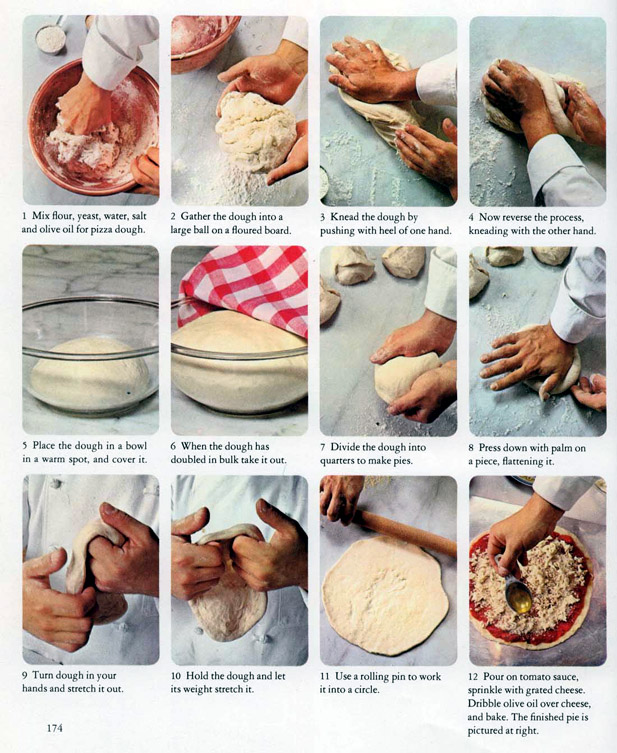
- Recipe steps through photos –
- Allows me to clearly explain recipe
- Inspiration – Step by step photos in magazine recipes
- Result – Posts with this particular format generally perform well, this may be because it allowed viewers to swipe through the recipe at their own pace whilst being detailed
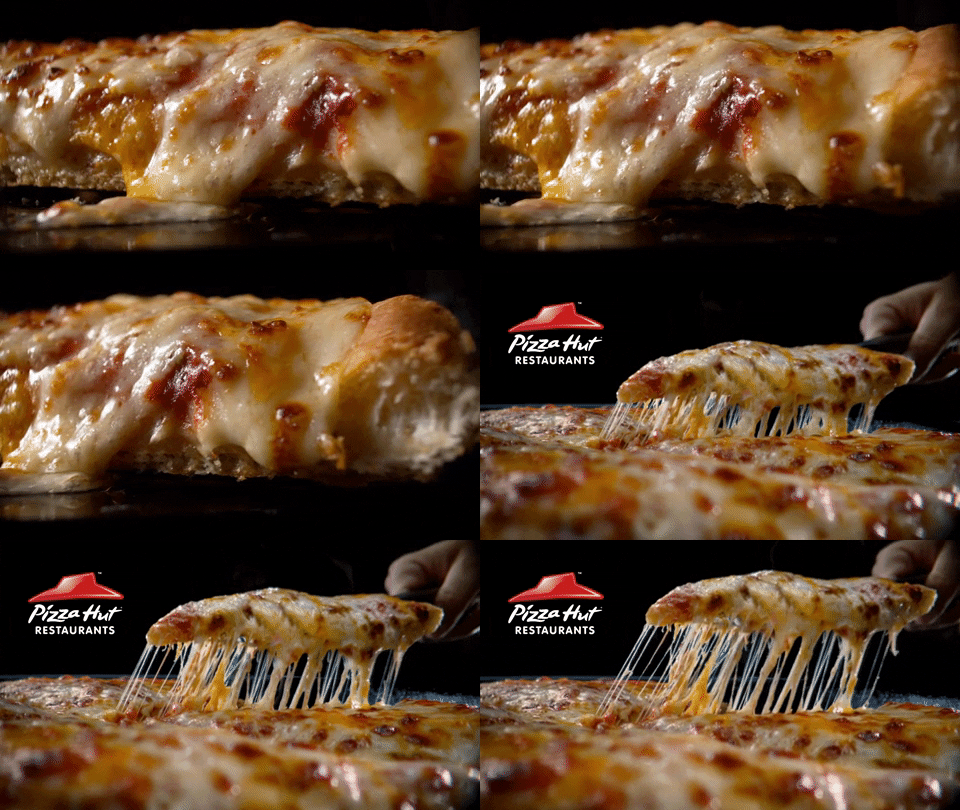
- Short video of finished meal –
- Allows viewers to see food more clearly, whilst enticing them
- Inspiration – Food advertisements for fast food, restaurants or grocery items
- Result – Posts with short clips included perform better then single photo posts, this could be due to videos keeping viewers interested

- Photo with discussion in caption –
- Allows the focus to be put on the reason for recipe
- Inspiration – recipe blogs that include a detailed explanation before the actual recipe
- Result – Not overly successful, although it allows me to engage with concepts such a “low cost”, “current trends” or “cheap ingredients”, it is evident that my audience prefer more visual posts
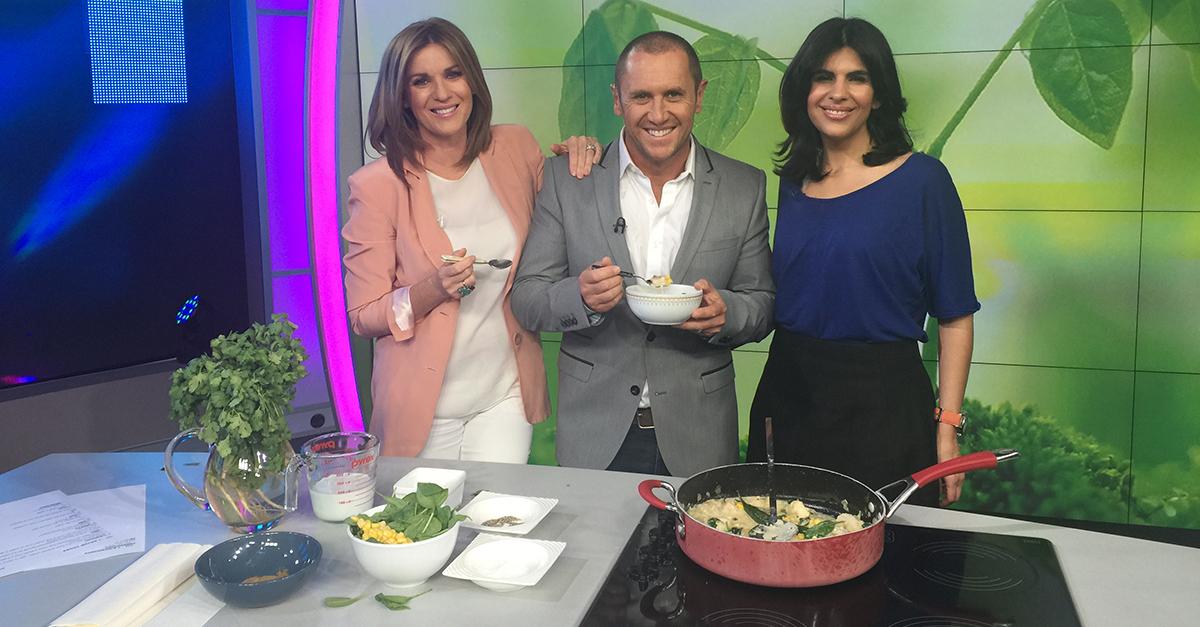
- Picture of cheap ingredient with recipe –
- Focuses on providing low cost ideas
- Inspiration – Morning shows with cooking segments that focus on one ingredient and all the different ways you can cook it
- Result – Generally performs pretty well assumably because it peaks the interest of my younger audience as it is budget friendly
TikTok & IGTV
I also “dabbled” in the world of TikTok after receiving some positive feedback on Twitter. This changed the format of my video as I had to make the video short and edit it to the beat of a trendy song.
The post hardly took off, but it did help me on Instagram. The original “Carrot Cake” post was in the form of a IGTV, and it did not receive the engagement I was expecting, in fact it received the least amount of engagement out of all of my posts.
I deduced that this was due to the fact that my viewers were use to quick content, so a longer styled video made people lose interest. But this short TikTok format allowed me to post it in my Instagram story, with a link to the original IGTV post, which increased its engagement.
Experimenting with different concepts
Although all the content that I post is created by me, I still undergo a process of curating when selecting and altering recipes to produce. Wicks discusses a similar process through which she explains curators job is to entice visitors with content by ensuring the content represents your brand through the use of “logo, colours, your voice and the language you use”. This is demonstrated through my different post concepts:


Posts that were focused around low cost ingredients performed well. While posts that didn’t have a particular purpose were less successful.


I started a poll on my Instagram story related to making meatless recipe, after recent discussion about the impact on the environment. So I was able to use recent trends to peak the interest of my audience.
From prototyping these different post concepts I have been able to learn more about my audience. Such as viewers responding well to posts that clearly focused on recipes that have a low cost ingredient, minimal equipment or are quick and simple. This content hones in on my “desperate student” audience, and meets their needs.
References:
Hudgens, R (2016) The 3 Most Effective (And Overlooked) Content Curation Strategies, Content Marketing Institute
Wicks, M. (2019) The Ultimate Guide to Content Curation (With Examples!), SmartBlogger
 Bees and Bells