
In April of 2020 Apple Podcasts hit 1,000,000 total individual podcast shows, this incredible amount of media also has academic research surrounding it that assess its impacts. True-crime podcasts alone have a web of public interest surrounding its “meaning”, why do we listen, how does the show represent itself, how do podcasts investigate crimes and how podcasts can be used as a tool.

Boling’s “True crime podcasting: Journalism, Justice or entertainment?” explore the fine line true-crime podcasts are able to walk when providing a form of entertainment consumption and impacting the outcome of the case they are exploring. Boling’s study pointed out that many of the interviewed podcasters were contacted by lawyers in order for their case to generate public interest. This ability to educate the public on failings within the criminal justice system and draw attention to issues is very impactful on listeners and cases. This audience reaction was described as an “essential process” and a “two-way flow of information and people” by Colin Miller (a host of the true-crime podcast Undisclosed), as their listener’s email or reach out through social media with unexpected information on the case. This interaction also includes “educating for change” as Madeline Baran (investigative reporter and host of In the Dark) explains that broadcasting information can lead to listeners to engage, question and debate.

Boling’s study brings to light the impact podcasts have. But in a more traditional sense, Inne’s “The Media as an Investigative Resource in Murder Enquiries” explores how police are able to utilize the media when conducting investigations.
Based on fieldwork and analysis Inne’s was able to identify numerous objectives:
- Publicizing a crime so the offender will become overwhelmed with guilt or the reality of living life on the run
- Manifest uncharacteristic behaviours from the offender, that those in close contact can recognize
- Exploit guilt of someone “shielding” offender
- Photos or descriptions would help a member of the public to recognize the offender
- Seek out individuals who witnessed something, who previously did not want to be involved or were not aware of its significance
- To enhance/develop suspicions on an individual close to the victim
Each of these objectives can also be applied to podcasts as a form of media. By creating whole podcasts show dedicated to a particular case, these objectives could be intensified due to a longer run time filled with more evidence, descriptions and victims. This is a large reason why I chose to focus on podcasts that focus on a single case, not a true-crime show with new cases every episode.
As journalists begin to transition into podcasts such as the many popular podcasts created by The Australian, they have to face the fine line between principles. Sherrill’s “Suddenly, the Podcast Was Sexy” addresses how journalists are used to “fact-finding” and bringing forward information, but when creating a true-crime podcast there is a need to bring about change. Sherril also explored these theoretical concepts within her study, which would be useful to my observations and research:

- The social space – this concept involves how the podcast defines itself, whether they monetize target audiences, how do they compare themselves to other forms of media such as journalism or entertainment, what role do they play in this community?
- Movement orientation, collective identity and movement processes – would the podcast consider themselves part of a movement, are there particular events or opportunities that support this, what are the societal forces involved?
These concepts could be applied to podcasts such as The Australian’s Night Driver, including how they present themselves as a media outlet and use this platform to enact change.
When observing and researching a group online there are many circumstances I need to take into consideration to ensure that they are rightfully represented. “Podcast Ethnography” pointed out the ethical dimensions that should be considered when participating in “ethnographic lurking”, in comparison to its scientific value.
Winter and Lavis’ “Looking, But Not Listening? Theorizing the Practice and Ethics of Online Ethnography” outline how “lurking” is more than listening it is participating, as this engages with emotions, multimedia and community context. With this considered, when collecting data from those in the online Australian true-crime community no raw data will be presented, or anything identifying. Instead, I will focus on the communities impact on me, or paraphrase ideas, feelings or movements. This will also involve the ethical representation of online groups, which will require me to provide context when necessary as it is not enough to pick and choose comments that support my viewpoint.
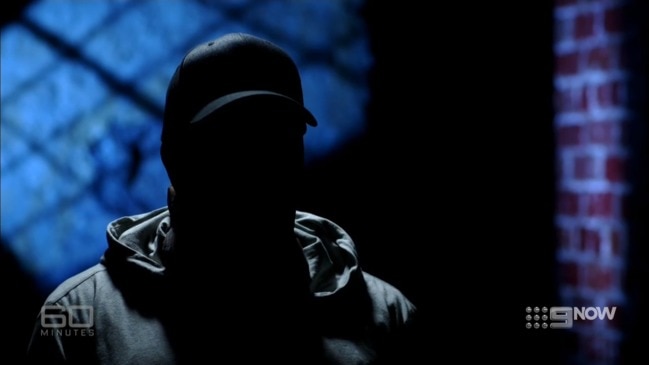
As I explore the genre of true-crime, anonymity and ethical representation is particularly important as the topics can be sensitive. When exploring a case, such as the Night Driver, I will choose not to present more information that isn’t provided in the podcast such as participants full names, locations or background if it isn’t necessary or already revealed. This is unnecessary to my research and will not add to the ethnography, so it will be left out.
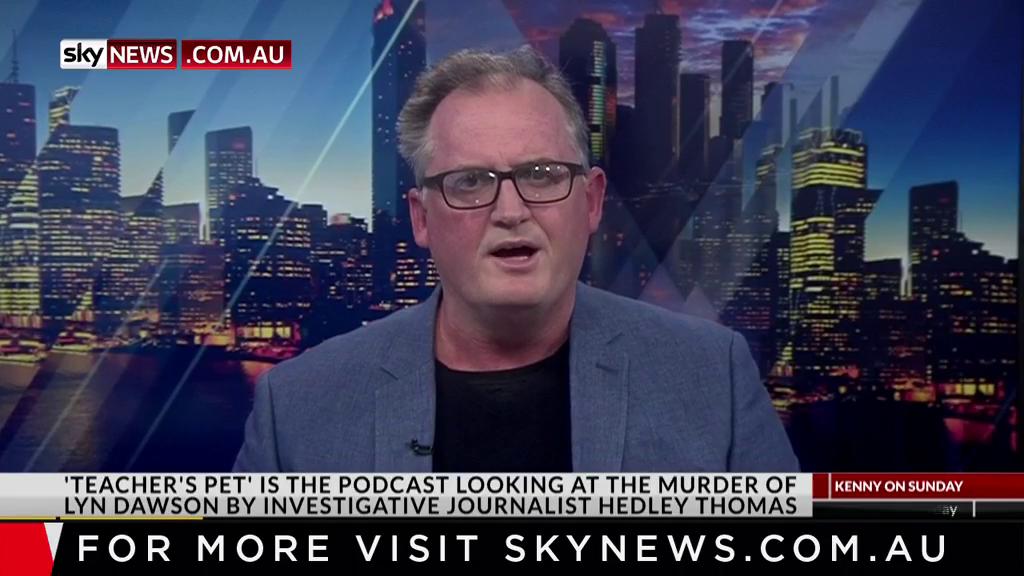
A large portion of my research will take place on media outlet websites, in order to gain a good grasp of the media representation of the case. Since these articles are created and credited by journalists, I will be able to properly reference them and their work without imposing on personal feelings or ideas.
Considering there are endless ethical issues that can be considered when researching, observing and presenting information, the main aspects that will be enforced is anonymity, context and crediting.
Research used:
Boling, K.S (2019) “True crime podcasting: Journalism, justice or entertainment?” Radio Journal: International Studies in Broadcast & Audio Media, Volume 17 Number 2
Innes, M (1999) “The Media as an Investigative resource in Murder Enquiries” Department of Sociology, London School of Economics, Brit. J. Criminol, Vol. 39, No. 2, Spring 1999
Lundström, M & T.P. Lundström (2020) “Podcast Ethnography” International Journal of Social Research Methodology
Sherrill, L.A. (2019) “Suddenly, the podcast was sexy”: an ecological and social movement theory approach to true crime podcast phenomena” The University of Alabama, pp. 58-59
Winter, R & Lavis, A (2020) ” Looking But Not Listening? Theorizing the Practice and Ethics of Online Ethnography” Journal of Empirical Research on Human Research Ethics, Vol. 15, pp. 55-62


 Bees and Bells