Making of Needing a Feeding

Throughout the ideation and prototyping stages of my DA I have been able to let aspects of ‘Needing a Feeding’ fail in order to decide what works and what doesn’t. Now that I am at the making stage of my DA I can simply stick to current tried and true methods. So everything you are about to see are aspects of my DA that I found worked best, and how exactly I got there. 

Formats

The format of my post has been one aspect of my DA that I am constantly experimenting with, not because I am not satisfied with it but instead because I enjoy complementing the recipe length with the post format. Some of my favourite post formats include:

Video clips separated into sections:

This format helps viewers to easily swipe through each separate section of the recipe, instead of having to watch a whole 1 minute clip for a tiny section. From my research on Instagram video attention spans, the best length videos are 30 seconds. But due to the nature of my content, 30 seconds is simply not enough time, so by splitting the videos into separate sections I can maintain more attention.

This research also explains the failure of my IGTV video, as the length is too long for Instagram, as my audience are not use to maintaining attention for that long.

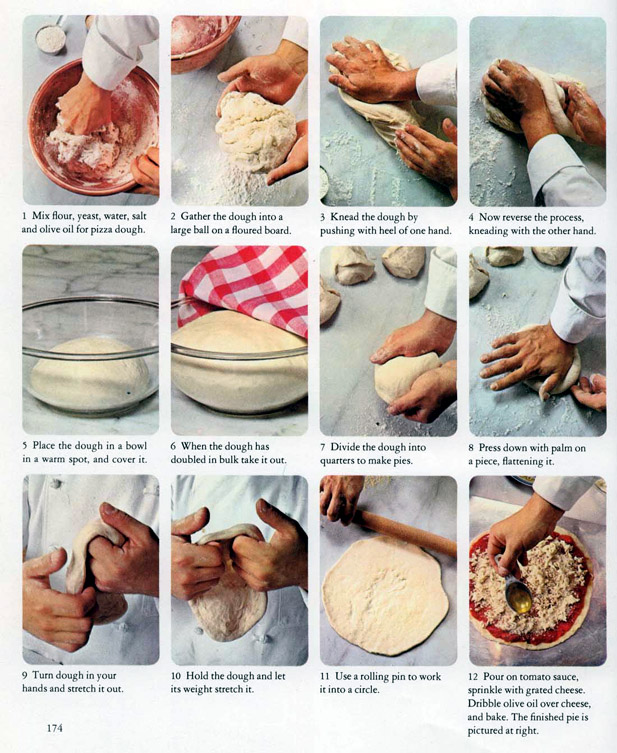
Recipe through photos:

A picture is worth a thousand words so this style of post can be very useful. Another handy thing about these posts is that if one of my followers does not swipe through it will reappear in their feed automatically opened to the second picture. Since people scroll the most on instagram compared to other social medias, this format complements the media.

Another aspect I have noticed about displaying the recipe through photos is a lot of my most “saved” posts are in this format. So my audience like this format to keep recipes to make later.

Videos of finished meal:

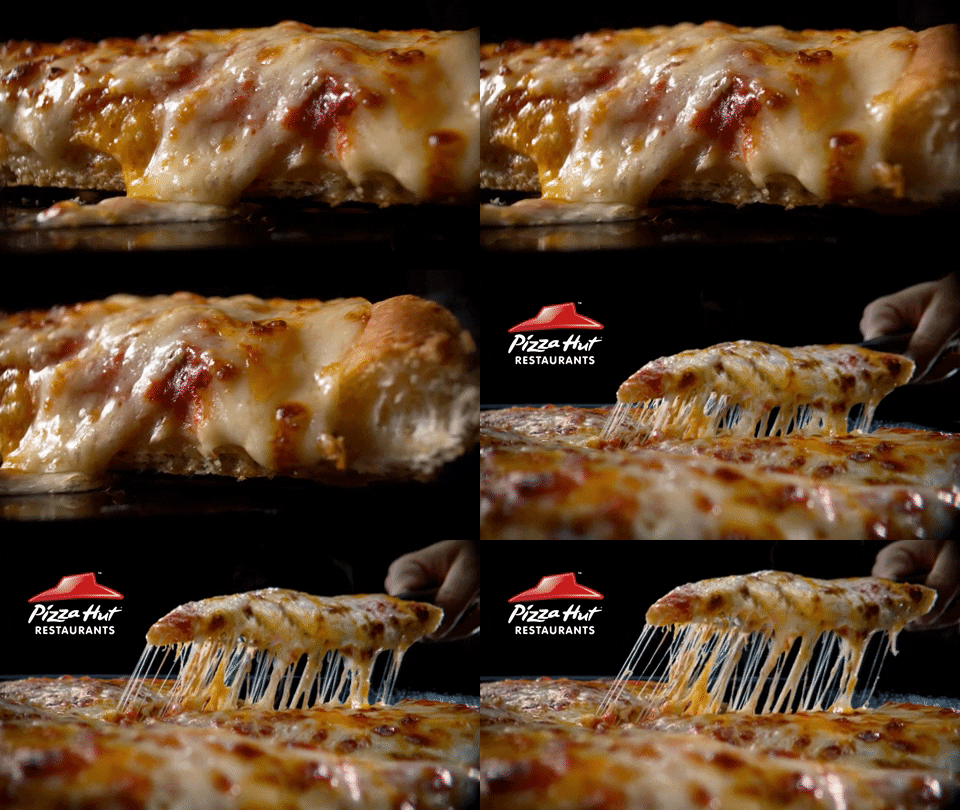
It’s no secret that foodie videos are successful, similar to mukbangs on Youtube. They help to entice viewers for the recipe, as well as being useful within posts or instagram stories. This format complements the short attention span on Instagram by immediately enticing viewers, and provides more detail than a photo can. This is a similar concept to food advertisement that lures its audience by cutting into, stringing out or zooming into food.

Instagram Stories

Utilising Instagram stories increases how often your posts are seen because of Instagram’s algorithm, so the more people interact with my stories the higher up in their feed my posts will be. Stories allow me to entice my viewers with ‘sneak peeks’ before I post a recipe, this also helps to alert my audience when a new post is coming out. This also allows me to receive more user feedback with polls, as I can easily ask my audience which recipe they would prefer. This form of feedback is more successful than asking my audience a question, as they can easily choose from the two options which generates more feedback.

Post Concepts

Something I realised early into my DA was that posts that received the most engagement had a clear concept, as posts that focus on minimal ingredients and equipment, being low cost or correspond with an Insta poll (such as meat free meals) were better received than those without.

For “foodie” Instagrams, in order to be successful having a specific purpose is essential. This helps to communicate your brand as an account. So it makes sense that my posts with a clear concept are most popular as that is the purpose of my account, to help students make meals with a small amount of money, equipment, time and skill.

These are the posts on my account that have received the most engagement with their concept, demonstrating how clear purposes increase engagement. While the posts that received the least amount of engagement didn’t have a particular concept, or it wasn’t clearly expressed.

References:

Baslova, J (2017) “Exclusive Data on Instagram Carousels: How Well Do They Work?” Social Bakers

Chi, C (2018) “How Long Should Your Videos Be? Ideal Lengths for Facebook, Instagram, Twitter, and YouTube [Infographic]”, HubSpot

Kramer, J (2018) “How to Become a Food Instagram Influencer”, Food & Wine

Laurence, C (n.d.) “Instagram Stories – How to use them and why it matters”, PLANN

Prototyping for “Needing a Feeding”

With thousands upon thousands of food related Instagram posts uploaded everyday, prototyping is essential to make sure my content is in the right context to stand out for my audience. In my ideating process I identified different video formats and future video ideas I wanted to explore, which I was able to experiment with during prototyping. 

Formats

The framing of my posts is crucial to how it resonates with my audience, Hudgens addresses this and the importance of the first sentence. I have tried to replicate these values in my posts by experimenting with different formats to frame my recipes in.

  • Recipe steps through photos –
    • Allows me to clearly explain recipe
    • Inspiration – Step by step photos in magazine recipes
    • Result – Posts with this particular format generally perform well, this may be because it allowed viewers to swipe through the recipe at their own pace whilst being detailed
  • Short video of finished meal –
    • Allows viewers to see food more clearly, whilst enticing them
    • Inspiration – Food advertisements for fast food, restaurants or grocery items
    • Result – Posts with short clips included perform better then single photo posts, this could be due to videos keeping viewers interested
  • Photo with discussion in caption –
    • Allows the focus to be put on the reason for recipe
    • Inspiration – recipe blogs that include a detailed explanation before the actual recipe 
    • Result – Not overly successful, although it allows me to engage with concepts such a “low cost”, “current trends” or “cheap ingredients”, it is evident that my audience prefer more visual posts
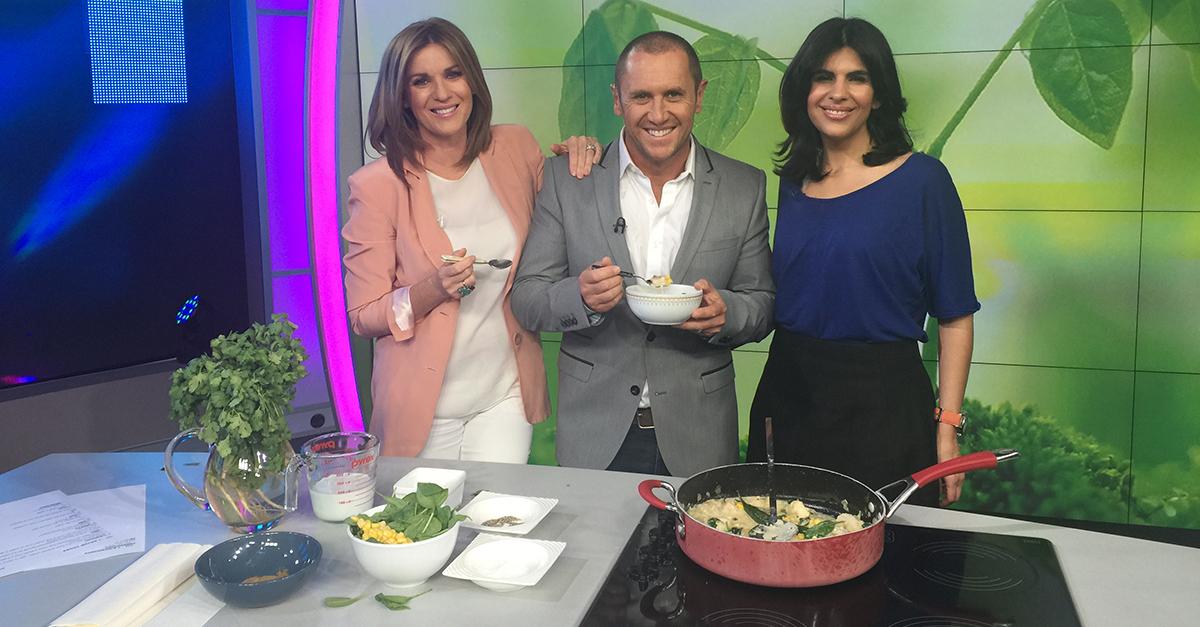
  • Picture of cheap ingredient with recipe –
    • Focuses on providing low cost ideas
    • Inspiration – Morning shows with cooking segments that focus on one ingredient and all the different ways you can cook it 
    • Result – Generally performs pretty well assumably because it peaks the interest of my younger audience as it is budget friendly

TikTok & IGTV

I also “dabbled” in the world of TikTok after receiving some positive feedback on Twitter. This changed the format of my video as I had to make the video short and edit it to the beat of a trendy song.

The post hardly took off, but it did help me on Instagram. The original “Carrot Cake” post was in the form of a IGTV, and it did not receive the engagement I was expecting, in fact it received the least amount of engagement out of all of my posts.

I deduced that this was due to the fact that my viewers were use to quick content, so a longer styled video made people lose interest. But this short TikTok format allowed me to post it in my Instagram story, with a link to the original IGTV post, which increased its engagement.

Experimenting with different concepts

Although all the content that I post is created by me, I still undergo a process of curating when selecting and altering recipes to produce. Wicks discusses a similar process through which she explains curators job is to entice visitors with content by ensuring the content represents your brand through the use of “logo, colours, your voice and the language you use”. This is demonstrated through my different post concepts:

Posts that were focused around low cost ingredients performed well. While posts that didn’t have a particular purpose were less successful.

I started a poll on my Instagram story related to making meatless recipe, after recent discussion about the impact on the environment. So I was able to use recent trends to peak the interest of my audience.

From prototyping these different post concepts I have been able to learn more about my audience. Such as viewers responding well to posts that clearly focused on recipes that have a low cost ingredient, minimal equipment or are quick and simple. This content hones in on my “desperate student” audience, and meets their needs.

References:

Hudgens, R (2016) The 3 Most Effective (And Overlooked) Content Curation Strategies, Content Marketing Institute

Wicks, M. (2019) The Ultimate Guide to Content Curation (With Examples!), SmartBlogger

Beta Pitch | Needing a Feeding

Now that Needing a Feeding has come this far let’s discuss some of the learning curves that I have had along the way.

Sometimes simple is best – a few of my instagram posts that either took a while to film and edit, or tried to replicate other popular foodie instagrams by posting “single photos, ended up… well… flopping. So it’s important to remember that users are on instagram for a reason, they want quick content while scrolling down their feed. Also, trying to replicate popular content can lead to my account blending into the crowd.

If it flops, don’t stop – As discussed in my pitch my first IGTV didn’t perform the best. But from there I edited the video to make it short and snappy and received positive feedback from twitter. I decided to post it on TikTok, although at this moment in time I would like to focus Needing a Feeding on Instagram it is still a possible avenue. But from there I could still make it into an Insta story with a link.

Focus on your audience – Every time I made content that was specific to students that have minimal ingredients, time, money and skill, it was well received. Seems simple enough but sometimes I would get caught up in trying to replicate popular foodie posts. Another thing I had to learn is understanding when to post content, based on my audiences habits. One thing that I am pleased with is the facts that I am hitting the exact age bracket I am aiming for.

Although I am past the stage of ideating or prototyping, I still believe that it would be best that I continue to switch up my content and not confine it to the same layout. That way I don’t limit my account to a specific style.

Needing A Feeding Pitch

Instagram is filled with different cooking videos, but there aren’t many that meet the needs of us young whipper-snappers (aged 17-22). We’re not making roasts for a family of four, but we can’t always be eating pasta and cheese.

So where’s the middle ground?

Needing A Feeding is an Instagram page dedicated to providing simple, quick and nutritious meals for those who would like to cook but don’t always know where to start. Each video will be shot by me and edited on my phone, to save on editing time, then posted to the account accompanied with the recipe. This will help my follows to find and save my videos to use later.

This will help fill the gap in videos directed towards 17-22 as they cater to those who only have basic cooking skills, little time, a desire to eat healthier, and a never ending hunger.